
Bibliotherapy for Anger
How books can calm the heat

It is perhaps the most misunderstood of our emotions. It is loud, disruptive, and often embarrassing.
Anger is a lot of things, but, above all, it’s just a human emotion. Plain and simple.

Unfortunately, most of us are taught early on to either suppress it or fear it.
Don’t be angry.
Control yourself.
Good people don’t lose their temper.
None of these advices work. The anger persists — sometimes simmering quietly, sometimes erupting without warning.
Let’s make one thing clear. Anger is not an anomaly of the human mind. It is a deeply human response. It arises when something within us feels threatened, unheard, violated, or wounded. It can be born out of injustice, disappointment, helplessness, grief, or long-held resentment. Often, anger is not the problem, it is the signal.
What makes anger dangerous is not its presence, but our relationship with it.
Unexamined anger turns inward as bitterness or outward as violence. It clouds judgement, distorts memory, and narrows perception. Physiologically, chronic anger keeps the body in a state of heightened alert — tight muscles, shallow breath, restless sleep, elevated stress hormones. Psychologically, it traps us in repetitive inner narratives: blame, revenge, self-righteousness, regret.
And yet, anger also contains energy. Energy that, when understood, can become clarity. When listened to, can become wisdom. When held with care, can become compassion.
This is where bibliotherapy can help.
How bibliotherapy works with anger
Bibliotherapy does not ask us to get rid of anger. It invites us to sit with it, to observe it through the mirror of language. When we read, we slow down the emotional surge. Words give shape to what otherwise feels chaotic. A book holds our anger safely, without judgement, without urgency.
Reading allows distance without denial. It gives us language where there was only heat. It gives us stories where there was only reaction. Some books do something even more profound: they teach us how to be with anger gently, without suppressing it, without acting it out.
Below are a few books that have proven especially powerful in working with anger.
1. Anger: Buddhist Wisdom for Cooling the Flames by Thich Nhat Hanh
This book does not treat anger as an enemy. Instead, it treats it as a suffering child.
Thich Nhat Hanh’s central insight is very simple: anger is a form of suffering. When anger arises, something in us is hurting. The practice, then, is not to fight anger, but to care for it with mindfulness, much like we would hold a crying infant.
He invites us to pause when anger appears. To return to the breath. To recognise the physical sensations of anger before the mental stories take over. Tightness in the chest. Heat in the face. Restlessness in the limbs. By naming these sensations, we begin to loosen their grip.
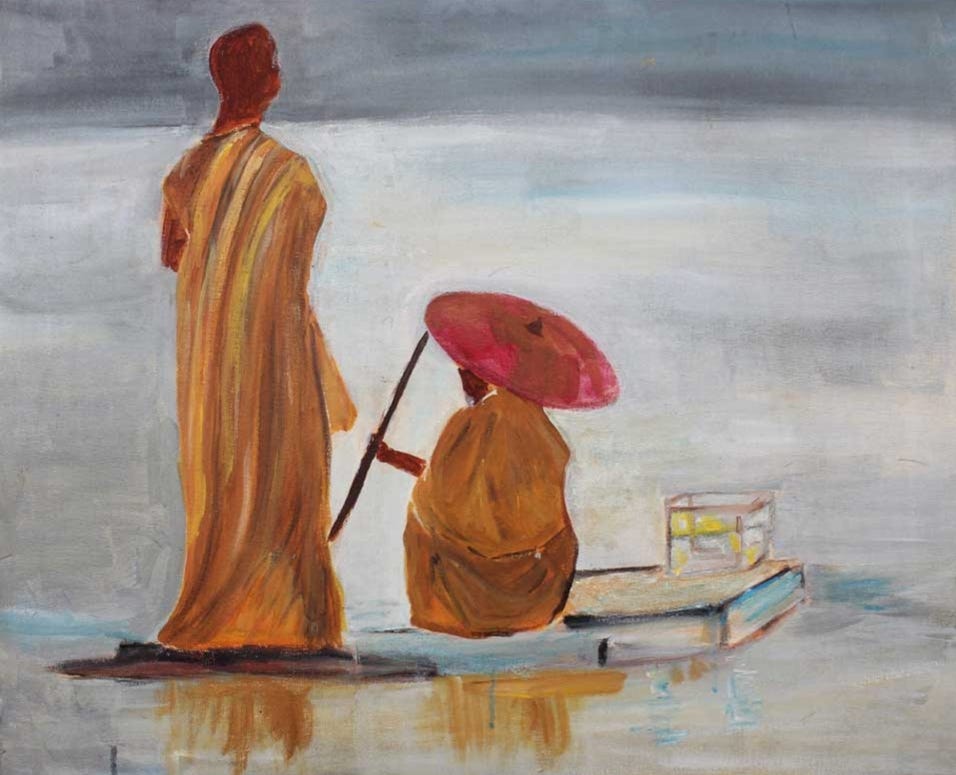
One of the most healing ideas in the book is this:
You do not need to act on your anger in order to honour it.
Anger needs understanding, not expression. When we rush to express it (through harsh words or impulsive actions), we often deepen our own suffering. When we stay with it mindfully, anger transforms on its own.
This book is especially useful for those whose anger turns inward, or who feel ashamed of being angry at all. It teaches kindness without passivity, awareness without repression.
2. Letting Go of Anger by Ronald Potter-Efron
Where Thich Nhat Hanh works through mindfulness, this book works through self-inquiry.
Ron Potter-Efron explores different styles of anger: sudden rage, chronic resentment, passive-aggressive anger, self-directed anger, etc. Many readers find relief simply in recognising their own pattern and realising: I am not uniquely broken. This is a recognisable human pattern.
The book exposes how anger is often layered. Beneath anger lies hurt. Beneath hurt lies fear. Beneath fear lies unmet needs. When anger is the only emotion we allow ourselves to feel, it becomes a substitute for vulnerability.
What makes this book valuable for bibliotherapy is its emphasis on responsibility without self-blame. Letting go of anger does not mean condoning injustice or forgetting wounds. It means releasing the emotional charge that keeps us bound to the past.
For readers who feel stuck in repetitive anger — towards parents, partners, institutions, or even themselves — this book offers a slow, practical path towards emotional freedom.
3. Anger in literature: seeing ourselves in stories
Sometimes non-fiction explains anger, but fiction reveals it.
Literary characters often carry the anger we refuse to admit. Their rage, bitterness, sarcasm, and quiet resentment allow us to recognise our own inner weather without defensiveness.
Think of Dostoevsky’s underground man, burning with wounded pride.
Or Tolstoy’s characters, trapped between moral ideals and emotional reality.
Or even modern novels where anger appears as cynicism, withdrawal, or emotional numbness.
Literature shows us that anger is rarely pure. It is mixed with longing, loneliness, grief, and love. When we read such characters, we are not instructed—we are witnessed. And being witnessed, even by a fictional voice, is deeply healing.
How reading heals anger
Reading slows anger down. It introduces pauses where reaction once ruled. It expands the emotional vocabulary, making room for nuance.
Most important, books remind us that anger is not a personal failure, it is a shared human experience. When anger is met with understanding, it loses its compulsive edge. It no longer needs to shout.
Bibliotherapy works because it does not rush transformation. It trusts time, repetition, and gentle attention.
A writing meditation for working with anger
To close this newsletter, I invite you into a short writing meditation. You do not need to write perfectly. Just write honestly.
Set aside 15–20 minutes. Sit comfortably. Take a few slow breaths.
Then begin:
1. Naming anger
Write without stopping for five minutes, completing this sentence again and again:
“Right now, my anger is…”
Describe it physically, emotionally, without explanation or justification.
2. Listening beneath anger
Now write:
“If my anger could speak, it would say…”
Let it speak freely. Do not censor. Do not argue.
3. Discovering the need
Finally, write:
“What my anger is protecting is…”
This is the most important step. Often, anger is guarding something tender.
When you finish, do not analyse what you have written. Simply read it once, slowly. Then close the notebook.
This act of writing is not about solving anger, it is about befriending it.
Remember…
Anger does not disappear when we fight it. It softens when it is understood. This should be our lesson from the above mentioned books.
And books themselves help us achieve that. They sit beside us when we are heated and confused. They lend us words when our own language fails. They remind us that transformation is often not dramatic. It is quiet, patient, and deeply human.
If you are carrying anger today, perhaps you do not need to fix yourself.
Perhaps you need a book. And a little time.
Sending calmness,
Deepak Rana.